REPORTS
Gender-responsive transition finance framework
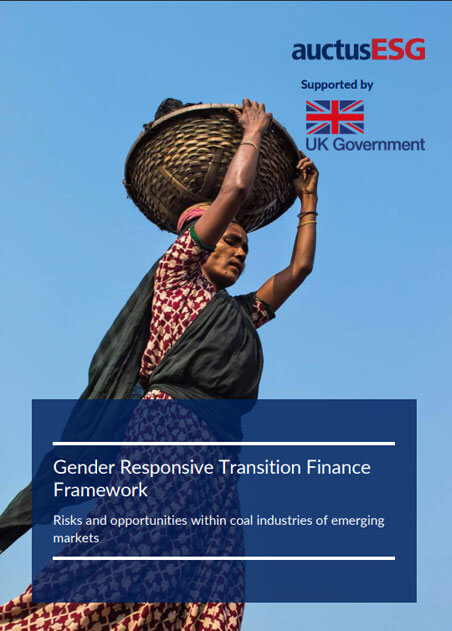
Risks and opportunities within coal industries of emerging markets
Global decarbonisation goals and net-zero commitments are accelerating the push to phase out coal, the largest single source of carbon emissions. The global energy landscape is already shifting, coal retirements are outpacing new additions, renewables are becoming more cost-competitive, and over 100 companies have pledged to exit coal. Yet, emerging economies, which will drive 88% of electricity demand growth through 2040, remain heavily reliant on coal. Transitioning these economies to cleaner energy requires significant investments, an estimated US $8–10 trillion annually until 2030. Bridging this financing gap calls for strong policy action and financial incentives to support low-carbon infrastructure and technologies.
However, coal transitions carry major socio-economic consequences, particularly for workers and communities dependent on coal-related livelihoods. A just transition that ensures equity, inclusion, and economic security is essential. Women, especially in emerging markets, face disproportionate impacts due to their overrepresentation in informal, insecure jobs and limited access to education, finance, and property rights. Coal mine closures have been linked to heightened risks of domestic violence, mental stress, and forced prostitution. Embedding gender considerations into climate finance and transition policies is crucial to protect and empower women during this transformation.
This paper outlines a gender-responsive framework for just coal transition across four pillars: gender-just policy design, financial institution engagement, innovative finance mechanisms, and community-level interventions. It calls for governments to establish clear gender-accountable policies, financial institutions to embed gender metrics in their strategies, and increased use of gender and sustainability-linked bonds. Engaging women as stakeholders, building their technical capacities, and ensuring social protections can foster inclusive growth, enable alternative livelihoods, and drive a fair, resilient transition to a low-carbon economy.
SDG ALIGNMENT